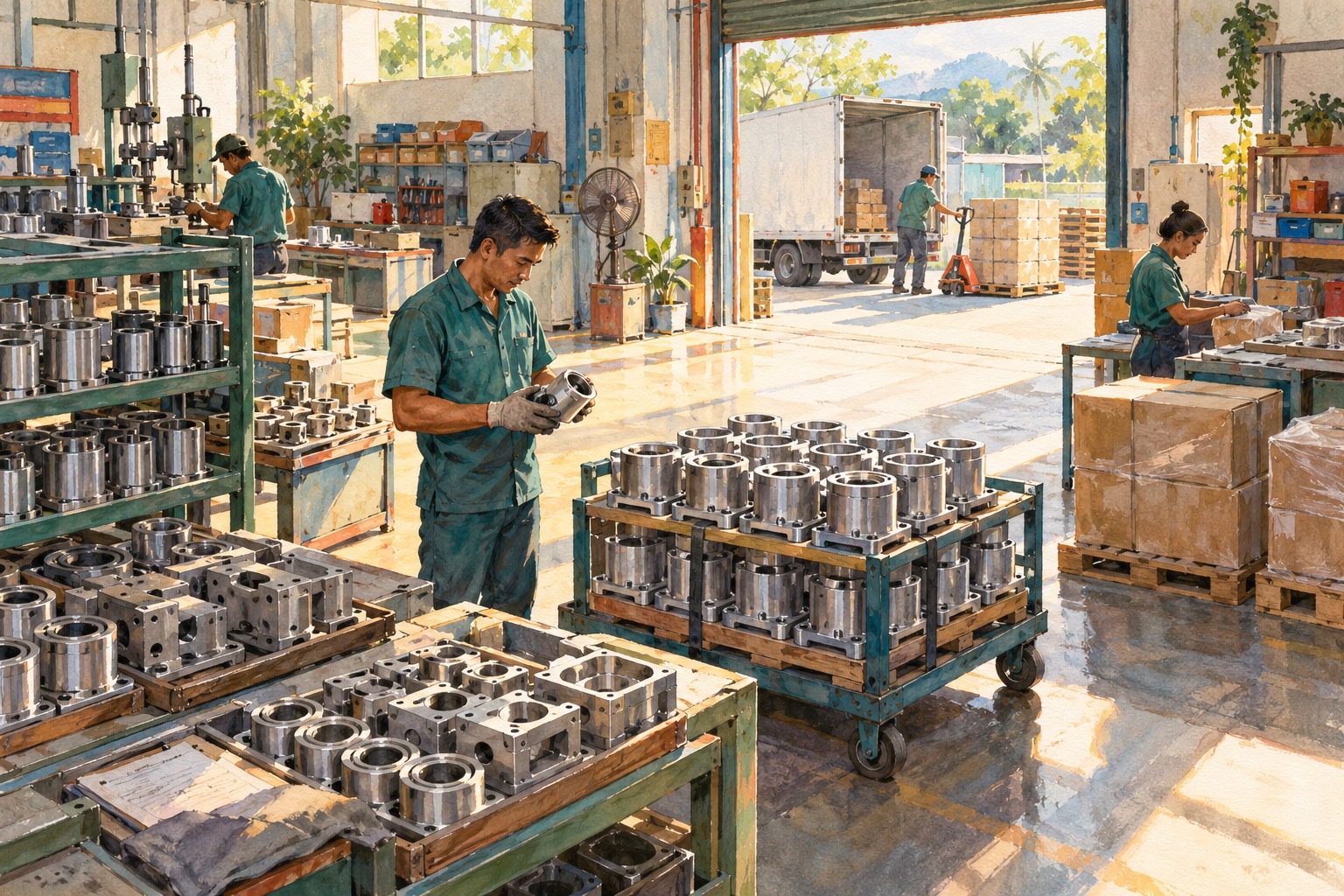
Malaysia’s factories have a better October to report. The awkward companion to that improvement is a faster rise in costs.
The S&P Global Malaysia Manufacturing Purchasing Managers’ Index reached 51.0, up from September’s 49.9, according to reporting on 2 November. A reading above 50 signals improving operating conditions compared with the previous month.
That makes this a recovery signal rather than a statement that every factory is suddenly busy. The index is a survey measure, not the percentage by which manufacturing output grew.
More orders, with a bill attached
The survey recorded stronger new orders, production returning to growth and a third successive monthly increase in employment. Respondents also reported faster increases in input costs and selling charges.
Raw materials and freight were among the pressures cited. The survey covered roughly 400 manufacturers, with responses collected from 12 to 26 October.
For a factory worker, the employment signal is encouraging. It still cannot tell an individual applicant which company is recruiting, what the salary will be or whether a temporary role will become permanent.
For a small supplier, the useful distinction is between a customer asking for a quotation and placing a firm order. Better sentiment helps the conversation; payment terms and the cost of fulfilling that order still matter.
Households should be equally careful with the price story. Factory selling charges are one stage in a supply chain. This report does not establish how much a particular supermarket item will cost next month.
October has supplied evidence of firmer manufacturing conditions. Whether that improvement becomes steadier jobs, healthier supplier orders or a new round of price pressure needs more than one month’s headline.
Sources & further reading
Prepared with AI assistance from linked reporting. The cover is an AI-generated editorial illustration. Spotted something we should correct?