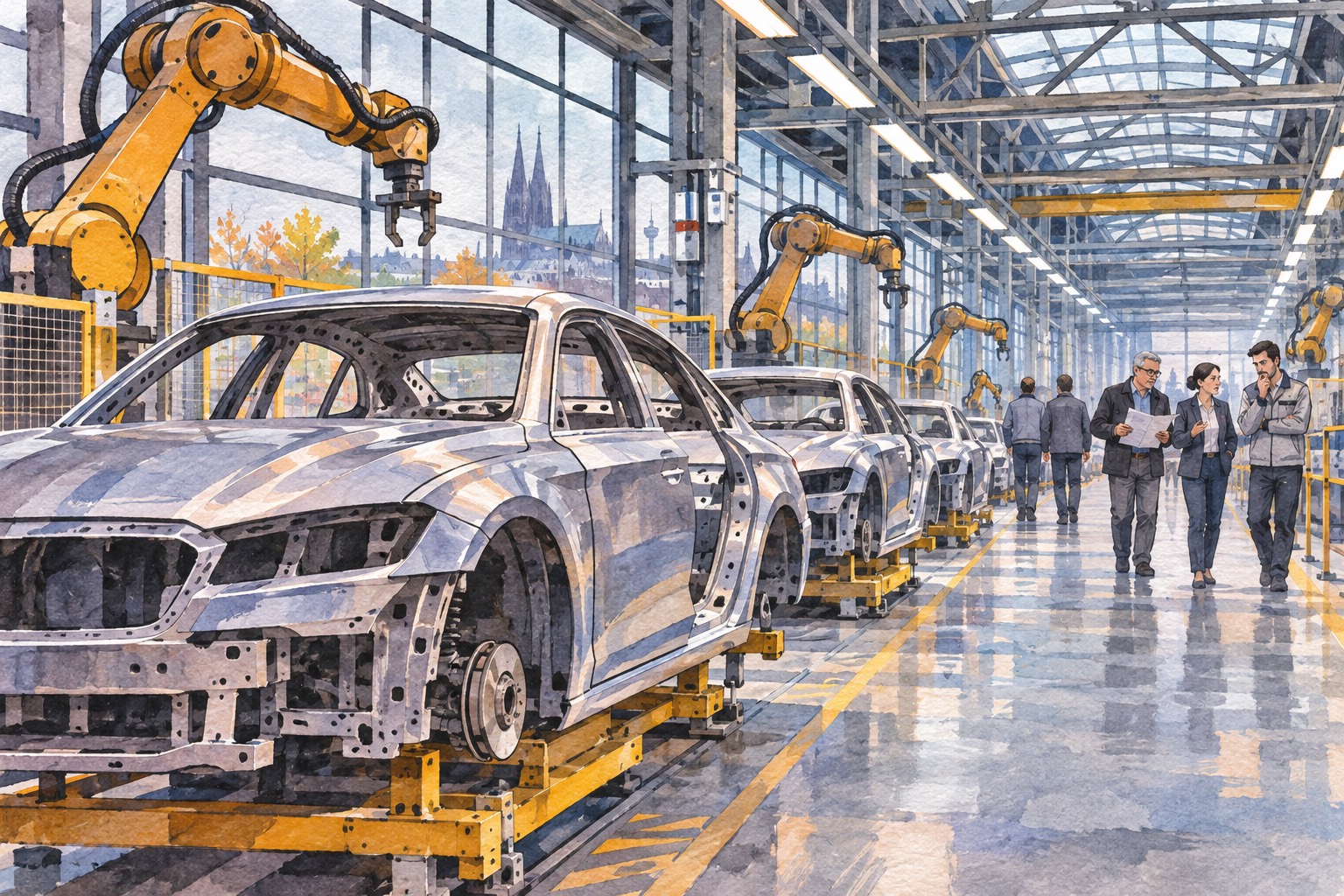
Mercedes-Benz is freezing new investment in its German plants and examining possible site closures as the cost of building cars at home collides with weaker demand and fiercer global competition.
The move matters beyond Germany. Production decisions shape component orders, engineering work and the pace at which new electric models reach export markets, including Malaysia.
Mercedes previously outlined about 900,000 units of German capacity while expanding lower-cost production elsewhere. A freeze does not mean every plant closes, but it shifts the burden onto each site to justify future models and spending.
For workers, the immediate concern is which factories receive the next vehicle programme. Car plants depend on long product cycles; missing one allocation can reduce employment and supplier activity for years.
Malaysian buyers are unlikely to see an overnight change in showroom supply. The longer-term effects could appear in model sourcing, prices and delivery timing. The useful signals will be named plant decisions and confirmed product transfers, not speculation around every Mercedes built in Germany.
German costs are only one side of the equation
A plant also competes on quality, automation, logistics and proximity to engineering teams. Closing a high-cost site can save money but create severance, transfer and supply-chain costs.
Mercedes must balance premium pricing with customers who increasingly compare its EVs against Chinese rivals offering more equipment for less. Factory utilisation falls quickly when demand misses forecasts.
For Malaysia, authorised distributors and local assemblers will watch sourcing decisions. A model moved between plants may face different shipping times or specifications even when its badge stays the same.
Sources & further reading
Prepared with AI assistance from linked reporting. The cover is an AI-generated editorial illustration. Spotted something we should correct?