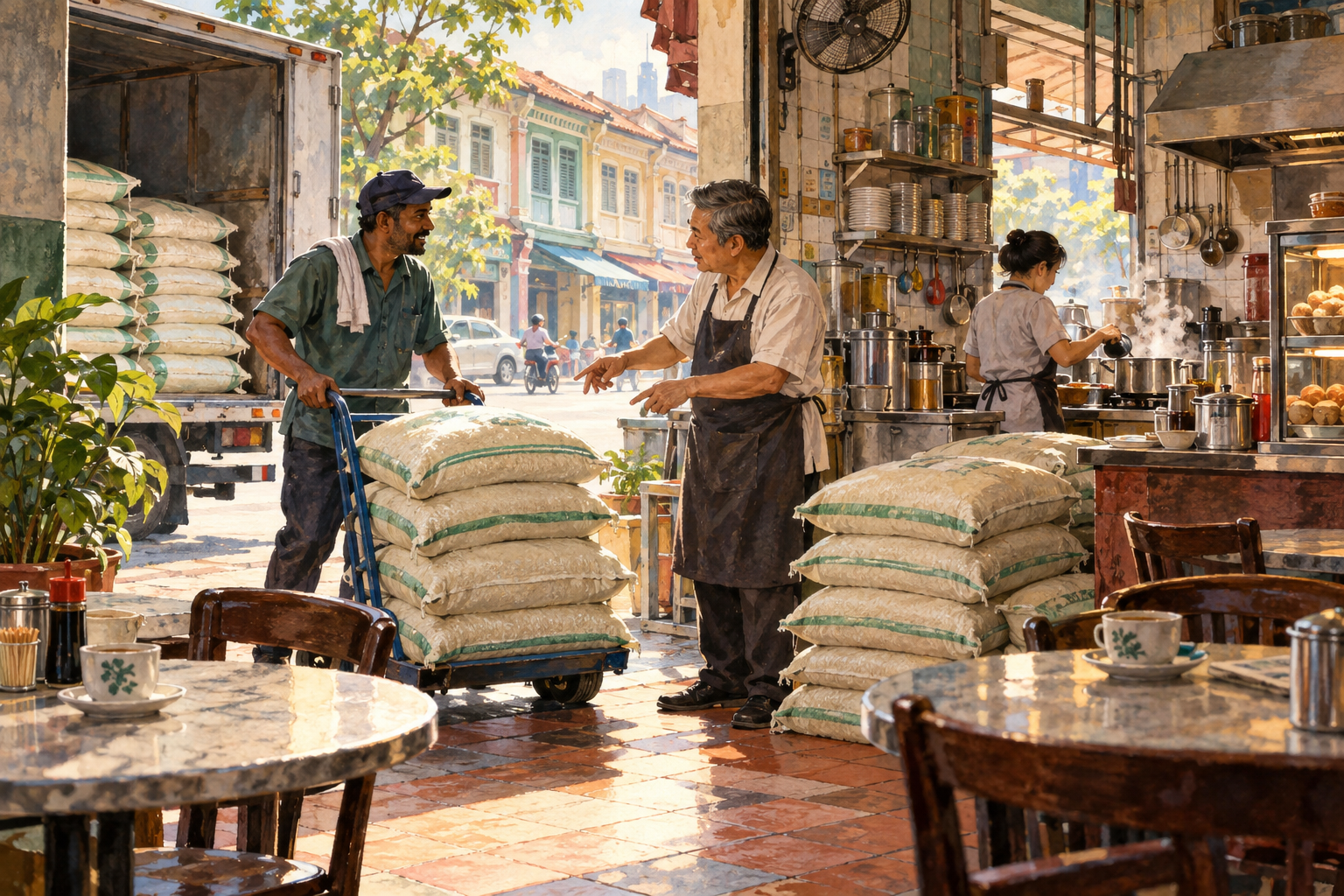
Rice is one of those shopping-list items that can turn a trade headline into a dinner-table question. Pakistan says it will export an additional 70,000 tonnes to Malaysia between October and December 2026. For households, the obvious question is whether that changes the price of a bag of rice. The honest answer today: the announcement does not say.
Bernama reports that Pakistan's Prime Minister's Office described the extra order as the result of diplomatic and commercial efforts. A delegation involving the country's food security and commerce officials and rice exporters met executives from Padiberas Nasional Berhad, or Bernas, during the recent Malaysia International Halal Showcase in Kuala Lumpur.
That meeting gives the number a clearer setting. This is a cross-border supply arrangement involving an existing Malaysian rice trade player. It is not a shop promotion and it does not identify the type, brand or final shelf price of rice a shopper may see.
Pakistan is a major producer of aromatic basmati rice, but the Bernama report does not say that every tonne in this additional order is basmati. It also does not break down shipment timing across the three months. Those details matter before anyone claims a particular product will suddenly be cheaper or more plentiful.
The statement from Pakistan focuses mainly on its own farming sector and access to overseas markets. Malaysia is described as a potential growth market for Pakistani agricultural products; meat exports are also under discussion. For Malaysia, the confirmed development is narrower and more practical: an additional rice order has been announced for the final quarter of this year.
So what should shoppers watch? When the shipments arrive, look for official information on which rice categories they cover, how they enter the local supply chain and whether retailers announce any price changes. Until then, turning 70,000 tonnes into a promised saving at the checkout would be guesswork. The trade number is real; the impact on your next grocery bill is still an open question.
Sources & further reading
Prepared with AI assistance from linked reporting. The cover is an AI-generated editorial illustration. Spotted something we should correct?