More than RM13,000 in average monthly food sales is the kind of figure that makes a small trader stop scrolling. That is what the Economy Ministry reported for participants at two People’s Income Initiative locations: UiTM Machang and Sungai Buloh Hospital.
The update, given in a parliamentary reply on 20 October and reported by Bernama early on 21 October, offers a closer look at Inisiatif Pendapatan Rakyat, or IPR. It also gives anyone considering the programme a reason to look beyond its most eye-catching number.
Food sales are money coming through a business. The amount left for the household depends on what it costs to produce and deliver those meals. Understanding which expenses the programme covers is a useful place to start.
The progress report covers several different routes
As at 31 August, 6,781 households had taken part across the reported initiatives. These included 1,228 participants under the food entrepreneurship route, INSAN; 2,034 under the farming route, INTAN; 890 under the services route, IKHSAN; and 2,629 receiving support under the hardcore poverty eradication programme, BMT.
For INSAN, 929 participants, or 76%, recorded cumulative sales above RM2,000. For INTAN, 1,322 participants, or 65%, achieved monthly incomes of at least RM2,000.
Notice the different measures. Cumulative sales and monthly income cannot be placed side by side as though they describe the same thing. Nor does an average from two locations tell us what every participant earned.
The ministry described an additional RM2,000 monthly income as the initiative’s target. That is an aim for the programme, rather than a fixed payment promised to every applicant.
A food business with some big expenses covered
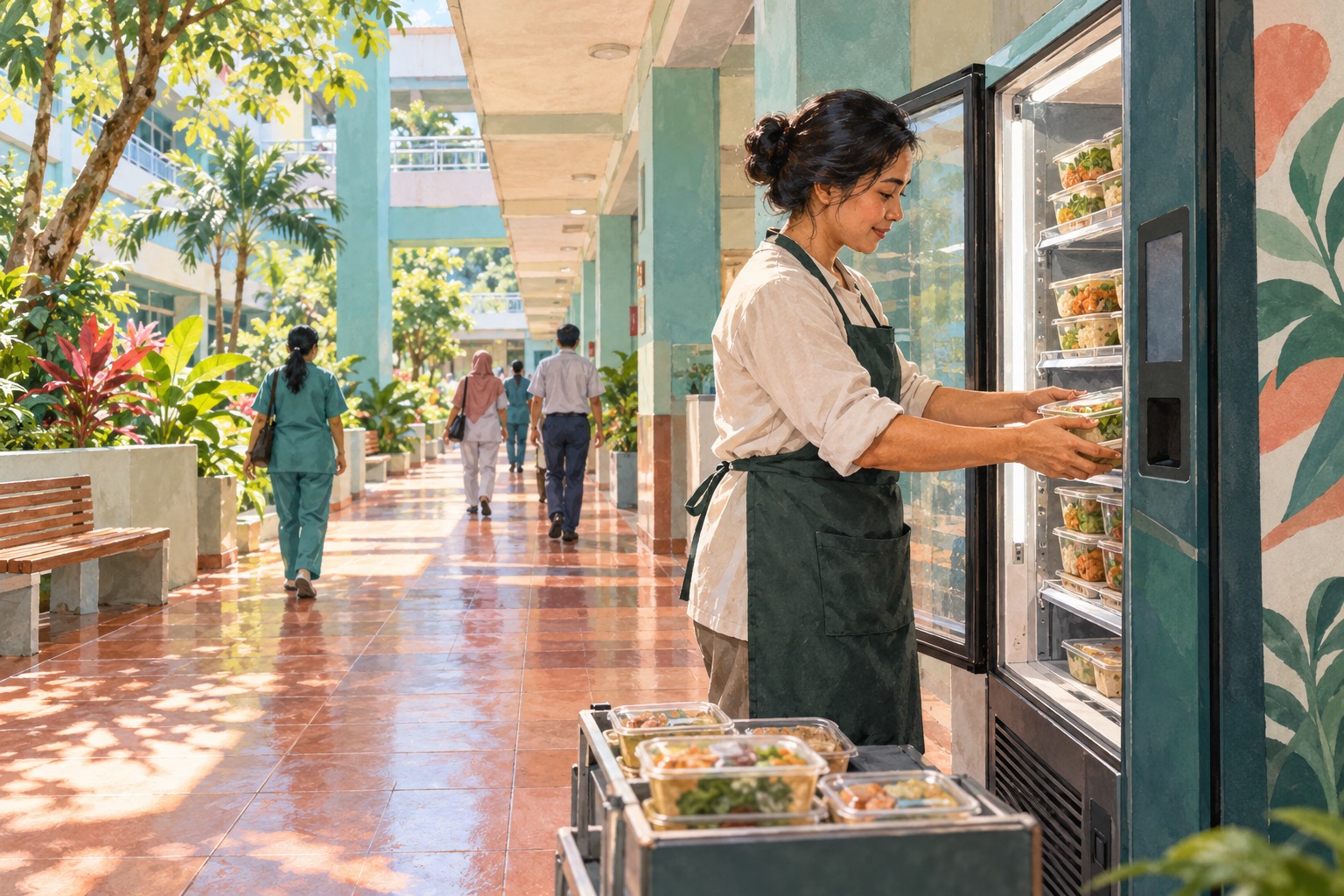
The official INSAN page describes a ready-to-eat food business using subsidised vending machines. Meals are intended to be affordable, with a maximum price of RM5.
Government support covers machine rental, the site, maintenance and installation, with machine-related support set out for 24 months. Participants still pay to prepare and deliver the food, as well as payment-gateway charges for e-wallet transactions.
That division helps explain the appeal: someone with cooking experience can get access to selling infrastructure without carrying every setup expense alone. It also shows why the sales figure needs a second look before it becomes a household budget.
The selection criteria include experience and the ability to operate a food business, a typhoid vaccination and a food-handler course certificate. Potential locations include hospitals, universities and public transport stations.
For a prospective participant, these are useful questions to take into a discussion: which costs apply to the proposed location, what preparation is required, and how will deliveries fit around the rest of the working day?
Count what stays in the business
Here is a simple way to read any sales headline: keep a separate record of what came in and what went out. A receipt total alone cannot tell you whether the activity provided enough extra income for the household.
In this case, the programme’s own list already identifies expenses the participant must carry. A person comparing opportunities would need their own food-preparation and delivery costs alongside the applicable payment charges. We cannot calculate a participant’s profit from the ministry’s sales figures because those individual expenses were not supplied.
It is worth asking how the arrangement works over the full support period too. The official page specifies 24 months of machine-related support; that makes the duration part of the decision, alongside location and the person’s capacity to run the business.
These are practical planning questions, rather than a verdict on how profitable the programme will be for a particular family. Two households can see the same sales figure and face different costs getting the food ready and reaching the machine.
Farming follows a different model
INTAN is designed around group projects involving at least five participants and at least 10 acres. The official page lists crops or livestock capable of producing a return within 18 months and contributing to the local food supply chain.
Examples include leafy vegetables, chillies, lemongrass, pineapple and aquaculture. Government support includes site preparation, basic infrastructure, seeds, operating costs for the first production cycle, and guidance and training.
The model also includes a buyback arrangement with a purchase floor price between participants, strategic partners and buyers. That is an important part of how the project is organised: producing something and finding a buyer are connected parts of the plan.
Anyone considering it should ask which project is actually available nearby, who the partners are and what the proposed arrangements require. An outline on a national portal cannot replace the details of a specific placement or the agreement a participant is asked to accept.
The first production cycle is specifically named in the support list. Ask how later operating expenses will be handled as well, so the household can consider more than the initial setup.
Applying is a separate step from being placed
The official IPR homepage says applicants are screened and cross-checked against eKasih and Sumbangan Tunai Rahmah records. The Ihsan MADANI directory identifies Malaysian citizens in the target income groups and directs applications through the official IPR portal.
The food and farming pages require registration and accurate supporting information. They also make local vacancies and eligibility part of the process. An application should therefore be treated as a request to be assessed, rather than proof that a machine or farming place has been allocated.
There is a difference between the programme directory and the current application menu, too. Ihsan MADANI describes three IPR strands, while the IPR homepage currently presents food and farming options. Check the route currently offered before making plans around a particular type of work.
For a household weighing the opportunity, the strongest starting point is quite concrete: check eligibility, read the costs the participant must meet, and ask about a real placement. A striking sales total can spark interest. Those details help decide whether the work could fit your life.
Sources & further reading
Prepared with AI assistance from linked reporting. The cover is an AI-generated editorial illustration. Spotted something we should correct?